Last Updated on April 30, 2026 by AgriAxis.ng
 By S David Prince
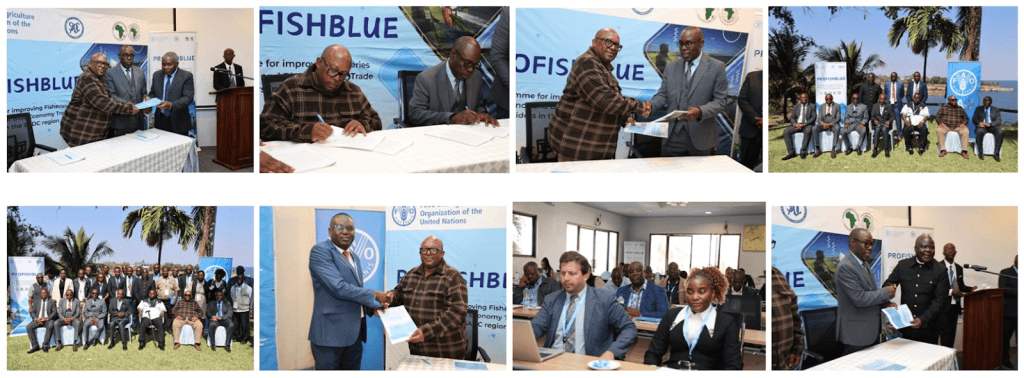
The governments of Zambia and Zimbabwe, along with the United Nations and the African Development Bank, have launched a new strategy for the “blue economy” of Lake Kariba.
This is the first time a plan of its kind has been created for a single body of water that crosses borders in Africa. The goal of the plan is to ensure that the lake, which supports millions of people, is used in a way that is sustainable and beneficial to everyone.
The strategy, which took into account the voices of communities around the lake, is based on five key areas:
- Sustainable fisheries and aquaculture
- Ecosystem health and biodiversity
- Inclusive livelihoods and value chains
- Climate resilience and risk management
- Cross-border governance and investment
Dr. Max Choombe, a Permanent Secretary in the Zambian Ministry of Fisheries and Livestock, stated, “The development of the blue economy strategy and investment plan for Lake Kariba underscores the two Governments of Zambia and Zimbabwe’s commitment to transforming their blue economies to be more inclusive and sustainable.”
Ambassador T.T. Chifamba, the Secretary for the Ministry of Environment in Zimbabwe, added that the plan is a “shared vision” and a “roadmap for inclusive development, climate resilience and ecological sustainability.”
This is a major step forward for regional cooperation in Africa. By creating a single plan for a shared resource like Lake Kariba, Zambia and Zimbabwe are setting a new standard for how countries can work together to manage natural resources. The strategy’s focus on both economic growth and environmental protection is a smart approach that aims for long-term sustainability rather than quick profits.
The plan’s emphasis on climate resilience and community input shows that the governments are not just thinking about business but also about the well-being of the people who depend on the lake. If successful, this initiative could serve as a model for other countries and help to improve food security and economic stability across the region.