Last Updated on April 30, 2026 by AgriAxis.ng

Starting a catfish farm in Nigeria is one of the most profitable agribusiness opportunities today. With the rising demand for fish across homes, hotels, restaurants, and markets, catfish farming has become a steady source of income for both small and large-scale farmers.
The good news is you don’t need millions to begin, with the right knowledge, a small pond, and proper feeding techniques, you can start your own successful catfish business in 2025. This guide will walk you through everything you need to know as a beginner, from setup to sales.
Key Takeaway:
You can start a profitable catfish farm in Nigeria with 1,000 fingerlings, a tarpaulin pond, and a starting capital of ₦700,000 (seven hundred thousand Naira)- ₦1,200,000 (1.2 million Naira). Success depends on good water management, smart feeding, and strong market connections. Expect to break even or make a small profit in your first year, with higher profits as you gain experience. Up to (1 million Naira every month if you get to do it right)
1. What is Catfish Farming? Is It Profitable in Nigeria?
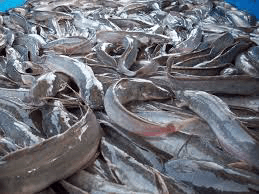
Catfish farming means raising catfish (especially African catfish and hybrids) in ponds for sale. Nigeria is Africa’s largest catfish market, with high demand all year round.
Profitability:
- Yes, it is profitable if you manage costs, use good practices, and find reliable buyers.
- Annual profit for a small farm (1,000 fish) can reach ₦800,000 (eight hundred thousand naira) to ₦1,100,000 (over one million Naira) after your first year.
Market Demands and Opportunities
The catfish market in Nigeria presents a significant opportunity due to a massive supply-demand gap.
According to Central Bank of Nigeria (CBN) data, the country produces about 1.07 million metric tons of fish annually, while the estimated demand is a staggering 3.6 million tons.
This leaves a shortfall of about 2.5 million tons, which is largely covered by imports. The total value of Nigeria’s fish market is estimated at ₦27.52 trillion, but local farmers only produce about ₦4.46 trillion, leaving an opportunity worth over ₦23 trillion.
And from Statista report, Fish, especially catfish, is a vital source of protein in Nigeria, making up over 40% of the animal protein intake. It is widely consumed in various forms, including fresh, smoked, fried, and as pepper soup. This constant demand ensures a ready market for farmers.
The smoked fish market is a huge sub-sector, with a value estimated at over $150 million. This processed product has a longer shelf life and is easier to transport, making it a key part of the value chain.
And also there is a significant and growing demand for smoked and dried catfish from Nigerians living in the diaspora across the United States, Europe, and the Middle East. While there are some challenges with regulations, this market offers a lucrative opportunity for farmers who can meet international quality and certification standards.
2. Understanding Catfish Farming
What Makes Catfish Unique?
Catfish are unique and ideal for farming due to their biological traits. Unlike many other fish, they are incredibly hardy and resilient. They can tolerate a wide range of water conditions, including low oxygen levels, because they have a special organ that allows them to breathe air from the surface.
They also eat almost anything (omnivorous), which makes them flexible to feed. These qualities make them less prone to diseases and sudden death, reducing a major risk for farmers.
Small-Scale vs. Large-Scale Farming
Small-Scale Farming:
This involves raising a limited number of fish in a few ponds or tanks, often in a backyard or on a small plot of land. It requires a lower initial investment and less specialized equipment.
The goal is typically to generate supplemental income or provide food for a family. However, profits are smaller, and you might face challenges with feed costs and limited market access.
Large-Scale Farming:
This is a commercial operation with multiple, larger ponds or a sophisticated recirculating aquaculture system (RAS). It requires a substantial capital investment for land, construction, and high-tech equipment.
The goal is to maximize profit through economies of scale, producing thousands of fish for commercial markets. While the potential for profit is much higher, so are the risks and the need for expert management.
Starting Small and Scaling Up: A Recommended Strategy
Starting small before scaling up is not just recommended, it’s a golden rule for many successful catfish farmers. Think of it like learning to drive a car before you buy a massive truck.
A successful farmer, Kenneth Odoemena, who started with only 200 fish, shared that his biggest initial challenge was a lack of knowledge, which led to a high mortality rate. By starting small, he was able to learn from mistakes, understand the market, and refine his management techniques without losing a huge investment.
This approach minimizes your financial risk, allows you to master the basics of water quality, feeding, and disease prevention, and helps you build a customer base. Once you have a proven system and a good understanding of the business, you can confidently invest more to expand your operation and capture the full potential of the market.
For an inspiring story of a successful catfish farmer who started small, you can watch How a Nigerian Man Became a Millionaire Fish Farmer. This video highlights a Nigerian man’s journey from a small-scale farmer to a millionaire entrepreneur, showing how he scaled his agribusiness.
3. Catfish Species in Nigeria: Clarias vs. Hybrid
| Species | Growth Rate | Survival | Market Price (₦/kg) | Features |
|---|---|---|---|---|
| Clarias | Fast | 85–90% | 3,200–3,500 | Hardy, easy for beginners |
| Hybrid (Clarias × Heterobranchus) | Very Fast | 80–85% | 3,400–3,600 | Grows bigger, premium taste |
- Clarias: Good for first-timers, strong and disease-resistant.
- Hybrid: Grows faster, sells for more, but fingerlings cost more.
4. Fingerlings vs. Juveniles: What’s the Difference?
- Fingerlings: 3–5 cm, 1–3g, newly hatched (best for starting, cheaper).
- Juveniles: 5–10 cm, 15–50g, 6–8 weeks old (cost more, but stronger).
5. Best Pond Type for Beginners
| Pond Type | Cost (₦) | Lifespan | Pros | Cons |
|---|---|---|---|---|
| Tarpaulin | 460,000 | 3–5 yrs | Cheap, easy to set up, movable | Needs replacement |
| Earthen | 505,000 | 10+ yrs | Natural, low maintenance | Needs good soil |
| Plastic Tank | 555,000 | 10+ yrs | Clean, portable | Limited size |
| Concrete | 950,000 | 20+ yrs | Durable, commercial scale | Expensive |
Recommendation:
Tarpaulin pond is best for beginners, quite affordable, quick to set up, and easy to manage.
 Figure 1: Pond Construction Costs and Breakdown
6. Feeding: How Many Bags, Sizes, and When to Switch – Feed Management
Growth Phases and Feed Plan (for 1,000 fingerlings, 6 months):
| Phase | Weeks | Feed Size | Feed Bags (25kg) | Feed Cost (₦) | Fish Weight (g) |
|---|---|---|---|---|---|
| Starter | 0–6 | 0.5mm crumbs | 2 | 15,708 | 1 → 15 |
| Grower | 7–18 | 2mm pellets | 16 | 184,212 | 15 → 200 |
| Finisher | 19–24 | 4/6mm pellets | 26 | 289,170 | 200 → 1,000 |
- Total Feed Needed: 43 bags (1,055 kg) for 6 months.
- Total Feed Cost: About ₦489,090 (if using only floating feed).
- Switch to local feed after 6 weeks to save money (reduces cost by ₦145,000, but growth is slower).
 Figure 2: Feed Requirements and Cost Timeline
Common Feeding Mistakes to Avoid
Overfeeding:
This is the most common mistake for beginners. Giving the fish more food than they can eat in a short time (5-10 minutes) leads to waste. The uneaten feed sinks and decomposes, polluting the water, depleting oxygen levels, and making the fish sick.
Using the Wrong Feed:
Fish feed must match the size of the catfish. Feeding tiny fingerlings with large pellets they cannot swallow will lead to waste, while giving a large fish a very small pellet is inefficient. Always match the feed size (e.g., 0.5-1mm for fingerlings, 2-4mm for juveniles).
Underfeeding:
Trying to save money by underfeeding will stunt the fish’s growth, leading to a much longer farming cycle and lower profits. Underfed fish can also become aggressive and resort to cannibalism – they start to eat themselves.
Inconsistent Feeding:
Feeding your catfish at random times or locations can cause stress and irregular growth. A lack of a consistent schedule means the fish do not learn when to expect food, which can affect their feeding response.
Not Monitoring Fish Behavior:
Ignoring how the fish respond to the feed is a huge mistake. Catfish will feed aggressively when hungry but will slow down when they are full. A good farmer stops feeding when the fish’s response slows down.
Tips for Effective Feeding Management
Keep a Feed Log:
Track how much feed you use each day, what time you feed, and how the fish respond. This helps you calculate your Feed Conversion Ratio (FCR), which shows you how efficiently your fish are converting feed into body weight.
Feed at the Right Time:
Catfish feed best when water temperatures are low. The best times to feed are early in the morning and late in the evening. Feeding during the heat of the day can stress the fish and lead to poor digestion.
Use the Right Feed Type:
Use floating pellets as they allow you to easily monitor consumption. This helps prevent overfeeding and lets you remove any uneaten feed.
Adjust for Conditions:
The amount of food your catfish need changes with the weather and water quality. Feed less during cold weather or when water quality is poor, and more when conditions are optimal.
Broadcast Feeding:
Scatter the feed over a wide area of the pond or tank. This ensures all the fish have an equal chance to eat and prevents smaller fish from being bullied out of food.
Don not Feed in Dirty Water
Just never try this. It can cause suffocation, make fishes gas for oxygen, injure them, cause infection or even cause mortality. Always have a good water changing plan.
Essential Nutrients in Catfish Feed
| Phase | Protein (%) | Fat (%) | Fiber (%) | Carbohydrate (%) |
|---|---|---|---|---|
| Starter | 45–50 | 10–15 | 3–6 | 20–25 |
| Grower | 35–40 | 8–12 | 4–8 | 25–30 |
| Finisher | 28–32 | 6–10 | 5–10 | 30–35 |
7. How Long Does It Take to Rear Catfish?
- From fingerling to market size (1kg): 5 to 6 months (with floating feed), 6 to 7 months (if you switch to local feed).
- Survival Rate: 80 to 85% (expect to harvest 800 to 850 fish from 1,000 fingerlings).
8. Cost Breakdown: Setup, Running, and Profit
Setup Costs (Tarpaulin Pond, 1,000 Fingerlings):
| Item | Cost (₦) |
|---|---|
| Pond construction | 460,000 |
| Equipment | 220,000 |
| Fingerlings | 15,000 |
| Total Setup | 695,000 |
Operational Costs (per 6-month cycle):
| Item | Cost (₦) |
|---|---|
| Feed (mixed) | 344,148 |
| Utilities, transport | 120,000 |
| Miscellaneous | 60,000 |
| Total Running | 524,148 |
Revenue & Profit (per cycle):
| Item | Clarias | Hybrid |
|---|---|---|
| Fish harvested | 850 kg | 820 kg |
| Price per kg | 3,400 | 3,600 |
| Total Revenue | 2,890,000 | 3,060,000 |
| Profit (annual) | 800,000 to 2,100,000 (after first year, 2 cycles) |

Figure 3: Profitability Analysis for Different Scenarios
9. Should You Work Alone or Hire Help?
- Family labor is best for small farms (saves money and have always worked out well even in our forefathers time).
- Hire part-time help if you expand to 2+ ponds or have other work.
10. How to Sell Your Catfish: Finding the Market
| Channel | Price (₦/kg) | Pros | Cons |
|---|---|---|---|
| Market women | 3,200–3,300 | Bulk, fast payment | Lower price |
| Direct to consumer | 3,400–3,600 | Higher price | More marketing needed |
| Restaurants/Hotels | 3,300–3,500 | Steady demand | Quality standards |
| Cooperatives | 3,250–3,350 | Shared marketing | Membership required |
Tip:
Build relationships with market women, join a cooperative, and use WhatsApp/Facebook to reach local buyers.
11. Fund Support, Grants, and Associations
- Grants/Loans:
- Bank of Agriculture (BOA), NIRSAL Microfinance, CBN Anchor Borrowers, FADAMA III, State Agric Programs.
- Associations:
- Fish Farmers Association of Nigeria (FFAN), Catfish Farmers Association, Aquaculture Association of Nigeria.
- Cooperatives:
- Join for bulk buying, shared sales, and easier access to loans.
12. Risks in Catfish Farming and How to Avoid Them
- Disease: Keep water clean, buy healthy fingerlings, quarantine new stock.
- Feed price: Use local feed after starter phase, buy in bulk.
- Power: Use solar or generator for aeration. Just have a good power supply, or a standby read to go generator.
- Market price: Sell in peak periods (festive seasons like Easters, Christmas…), diversify buyers.
- Security: Fence your farm, involve the community. Nigeria is not smiling again o; if you don’t secure your farm, thank you for feeding some families hopefully it will contribute in reducing hunger rate (sacarsm)
13. Step-by-Step Action Plan to be a Successful Catfish Farmer
- Learn First: Read information on this site or you can visit a local catfish farm, join an association. Just improve your knowledge and experience.
- Plan: For a small scale catfish farm business, not a backyard own, your budget should be between ₦700,000 (seven hundred thousand Naira) to ₦1,200,000 (1.2 million Naira) for setup and first cycle.
- Build: Set up a tarpaulin pond (120 m², 1.2m deep). For a lower cost you can use Plastic ponds – not highly recommended in hot weather conditions.
- Buy: Get 1,000 healthy fingerlings from a trusted hatchery. You can get Juveniles if fingerlings would be too small for you to manage. Know of water PH. If your water is good then you should have no problem with fingerlings. There are ways to check and boost water ph.
- Feed: Use floating feed for 6 weeks, then switch to local feed.
- Manage: Change water regularly, monitor fish health.
- Market: Start finding buyers 1 or 2 months before harvest.
- Record: Track all costs, sales, and fish growth.
- Expand: Add more ponds or upgrade your farm as you grow.
Summary Table: Catfish Farming at a Glance
| Step | What to Do | Key Figures/Advice |
|---|---|---|
| Pond | Tarpaulin, 120 m², 1.2m deep | ₦460,000 |
| Fingerlings | 1,000 (Clarias or Hybrid) | ₦15,000–₦25,000 |
| Feed | 43 bags (6 months) | ₦344,000–₦489,000 |
| Equipment | Water pump, net, aerator, etc. | ₦220,000–₦340,000 |
| Running Cost | Utilities, transport, misc. | ₦120,000–₦180,000 (per cycle) |
| Revenue | 800–850 kg × ₦1,400–₦1,600 | ₦1,100,000–₦1,300,000 (per cycle) |
| Profit | After 1 year, 2 cycles | ₦800,000–₦1,100,000 |
Final Advice
Start small, learn fast, and build strong market links. Catfish farming in Nigeria is profitable if you manage costs, focus on water and feed quality, and sell smart. Join associations, keep records, and reinvest your profit to grow.
Please note that the figures in this post are estimates and cost and prices fluctuate depending on the time you are reading this.
This Post covers catfish farming in Nigeria, catfish farm business, catfish farming guide, how to start catfish farming, profitable fish farming, small scale catfish farming, catfish farming business plan Nigeria, cost of catfish farming in Nigeria, fish pond setup Nigeria, beginner catfish farming.