Last Updated on April 30, 2026 by AgriAxis.ng

By S David Prince
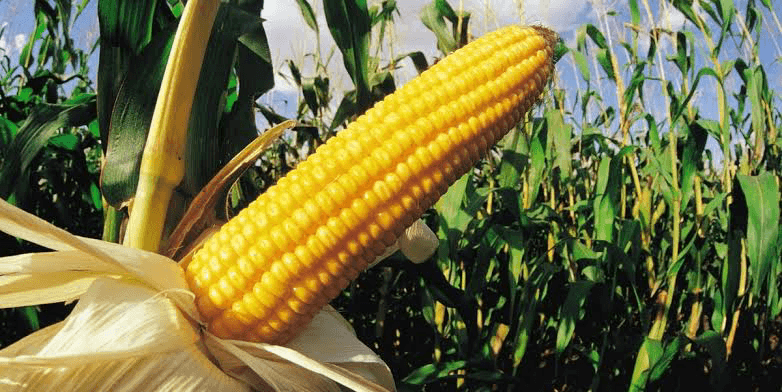
Maize (Agbado) is one of Nigeria’s and Africa’s most important staple foods, but farmers face big challenges such as drought, pests, and low yields. To solve these problems, scientists developed TELA (Tolerant to drought, resistant to insects) maize, an improved maize variety that can resist drought and fight common pests like the fall armyworm and stem borer.
In this post, we’ll explain what TELA maize is, why it’s important, and what it means for farmers and food security.
Things you’ll get to learn about in this post:
TELA maize, GMO maize Africa, drought-resistant maize, pest-resistant maize, WEMA project, TELA maize Nigeria, improved maize varieties, agricultural biotechnology
What is TELA Maize?
TELA (Tolerant to drought, resistant to insects) maize is a genetically modified (GM) maize variety developed to address two major challenges faced by Nigerian farmers: insect pests (especially the fall armyworm and stem borer) and drought.
The name “TELA” comes from the Latin word for “shield,” reflecting its protective traits. The TELA Maize Project is Developed under the WEMA (Water Efficient Maize for Africa) project and is coordinated by the African Agricultural Technology Foundation (AATF) and is being implemented in several African countries, including Nigeria, Ethiopia, Kenya, Mozambique, and South Africa .
Key Features of TELA Maize
Insect Resistance:
TELA maize contains a Bt gene (MON89034 event) that makes it resistant to major insect pests like the fall armyworm and stem borer, which are significant threats to maize production in Nigeria .
Drought Tolerance:
It is also engineered to withstand moderate drought, helping farmers maintain yields even during periods of low rainfall.
High Yield Potential:
By reducing losses from pests and drought, TELA maize can produce higher yields compared to conventional varieties.
Development and Approval in Nigeria
Regulatory Approval:
On January 11, 2024, the Federal Government of Nigeria approved the open cultivation and commercial release of TELA maize, making Nigeria one of the first African countries to commercialize this GM crop .
Safety Assurance:
The National Biosafety Management Agency (NBMA) has repeatedly assured Nigerians that TELA maize is safe for both human consumption and the environment, following rigorous scientific assessments .
First Harvest:
The first official harvest of TELA maize in Nigeria took place in June 2024, marking a significant milestone for the project .
How Was TELA Maize Developed?
TELA maize was initially bred using genomics-assisted breeding to improve its genetic traits. Later, it was bioengineered to enhance its resistance to pests and tolerance to drought.
This phased approach aimed to maximize genetic gains and adapt the crop to local Nigerian conditions .
Benefits for Nigerian Farmers
- Reduced Crop Losses: Farmers can expect fewer losses from insect attacks and drought, which are major causes of low maize yields in Nigeria.
- Lower Pesticide Use: With built-in pest resistance, farmers may use fewer chemical pesticides, reducing costs and environmental impact.
- Improved Food Security: Higher and more stable maize yields can help improve food security in Nigeria, where maize is a staple food.
Concerns and Public Debate
- Mixed Reactions: The approval of TELA maize has sparked debate in Nigeria. Some groups welcome the technology for its potential to boost food security, while others raise concerns about GM crops and their long-term effects.
- Government Response: The NBMA and other regulatory bodies continue to monitor the rollout of TELA maize and engage with the public to address safety and environmental concerns .
Key Terms to Know
- Bt (Bacillus thuringiensis): A naturally occurring bacterium whose gene is used in TELA maize to provide insect resistance.
- Transgenic: An organism that has had genes from another species inserted into its DNA.
- Drought Tolerance: The ability of a plant to survive and produce yields under limited water conditions.
- Commercial Release: Official approval for farmers to grow and sell the crop widely.
Button line
TELA maize represents a major step forward for Nigerian agriculture, offering farmers a tool to combat pests and drought, increase yields, and reduce reliance on chemical pesticides. Its rollout is being closely watched as a test case for the adoption of GM crops in Africa, balancing technological progress with public concerns and regulatory oversight .