Last Updated on April 30, 2026 by AgriAxis.ng
Nigeria Expected to Grow Cereal Production Over Next 10 Years
By Adegoke Oluwatobiloba Victor

This is following
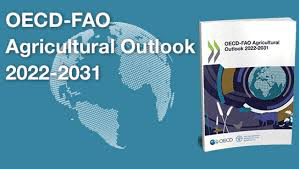
A new report from two international groups, the OECD (Organisation for Economic Co-operation and Development) and FAO (Food and Agriculture Organization of the United Nations), says Nigeria is expected to increase its cereal production by about 2.7 million metric tonnes by 2034. This would make the country one of the top contributors to global cereal growth, along with India and Ethiopia.
The report says this growth is happening because more Nigerians need food and because farming is becoming a bit more efficient. It also notes that a lot of this growth, especially for crops like maize, will be used to feed livestock, not just people.
However, the report also pointed out some challenges. It warned that things like changing prices, inflation, and extreme weather could cause problems for farming in Nigeria. The report suggests that to overcome these issues, Nigeria should invest in new technology, such as better farming machines and biotechnology, to make production more efficient.
Interestingly, despite the projected increase in production, the report also expects Nigeria and other parts of Africa to increase their food imports by 55 percent over the next decade.
This news offers both good and bad insights. The projected increase in cereal production is a very positive sign, showing that Nigeria is making progress in its agriculture sector and is becoming a major global player. It indicates that efforts to improve farming are working.
However, the fact that imports are also expected to rise so much suggests that even with better production, the country’s supply of food won’t be able to keep up with the needs of its fast-growing population. This means Nigeria will likely remain dependent on international trade to feed its people.
The report’s advice to use modern technology is key. To truly address its food security challenges, Nigeria will need to do more than just grow more crops. It will need to make farming much more efficient to meet demand and become less vulnerable to global price changes and climate issues.