 Written by
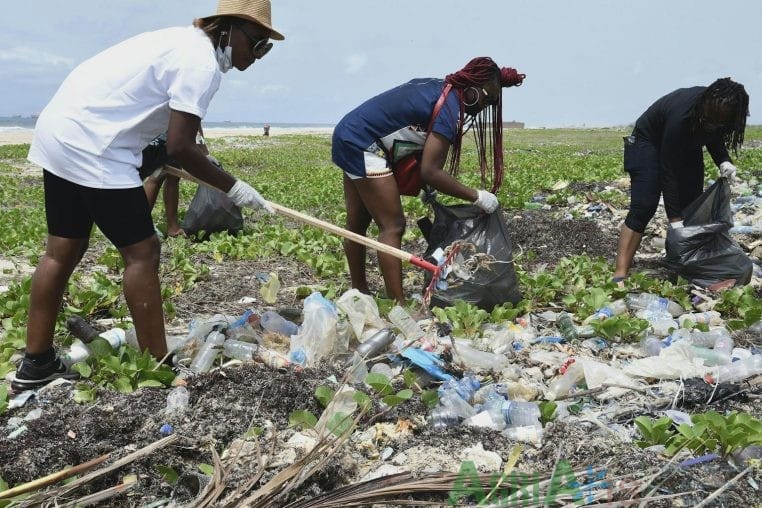
 Walk through any farming community in Kano, Benue, or Ogun State and the picture is the same. Nylon bags snagged on maize stalks. PET bottles half-buried in plots. Pure water sachets blocking irrigation channels. Nigeria generates an estimated 2.5 million metric tonnes of plastic waste annually, and a significant share of it ends up not in landfills but on farmland, in rivers, and across the waterways that smallholder farmers depend on for irrigation and drinking water.
One Nigerian company decided that was a business problem as much as an environmental one.
Chanja Datti Recycling Ltd., a Lagos-registered social enterprise with northern Nigerian roots ( its name is Hausa for “change waste”), has processed over 14 million kilograms of plastic waste since it began operations, diverting that volume from the environment through collection, sorting, and channelling recovered materials back to manufacturers and off-takers. This week, as Nigeria marks the tail end of World Environment Day activities, the company’s model deserves a closer look from an agricultural standpoint.
Plastic pollution is not an urban problem that occasionally spills into rural areas. It is a farming problem. Microplastics from degraded sachets and bottles have been found in agricultural soils across sub-Saharan Africa, where they reduce water retention, disrupt soil microbial activity, and in some documented cases, enter the food chain through crops. Blocked drainage channels from accumulated plastic waste worsen flooding on farmland during the rainy season. This is the same flooding that wipes out standing crops and sets farmers back entire planting cycles.
Chanja Datti’s Cash for Trash model addresses the volume problem at its source. Households and communities receive economic value for recyclables they bring in or request to have collected. The Recykoin mobile application extends that reach digitally. The materials collected; PET bottles, aluminium cans, nylon bags, cartons, move through the company’s sorting process and into its manufacturing arm, CD Plastics, which converts recovered plastic into household products including bowls and dustpans. The circle closes: waste becomes product, pollution becomes livelihood.
The women’s empowerment dimension connects directly to agriculture. Ms. Olufunto Boroffice, the CEO and Managing Director of Chanja Datti, has built the company’s 5,000 Strong Women Recyclers Empowerment Initiative around women at the base of the economic pyramid — the same demographic that makes up an estimated 60 to 80 percent of Nigeria’s food producers at the smallholder level, according to the Food and Agriculture Organisation. The initiative has so far equipped over 500 women with practical skills and income through the recycling value chain. Women who earn from waste collection are women with resources to reinvest in their farms, their children’s school fees, and their households.
The Bottles for Books initiative makes that education link explicit. Over 1,000 children have returned to school through the programme, which converts recyclable waste into educational support. In farming communities where children’s school attendance competes directly with farm labour demands, that outcome is not peripheral. It is central.
With support from the TRANSFORM programme, Chanja Datti is now expanding into community-level Micro Recycling Plants designed to process PET plastics close to where waste is generated, creating employment for women and youth in communities that currently have no formal waste management infrastructure at all.
Nigeria’s plastic waste problem will not be solved by policy statements. It needs the kind of economic architecture Chanja Datti is building: a system where collecting waste pays, where recovered material becomes product, and where the most exposed communities, farming communities among them, become active participants in a circular economy rather than passive recipients of its pollution.
Fourteen million kilograms recovered. Five hundred women earning. One thousand children back in school.
That is what practical green leadership looks like when it is not performing for a conference audience.