Last Updated on April 30, 2026 by AgriAxis.ng

The government of Vietnam is seeking to deepen its partnership with Nigeria in several key areas including trade, agriculture, education, and security.
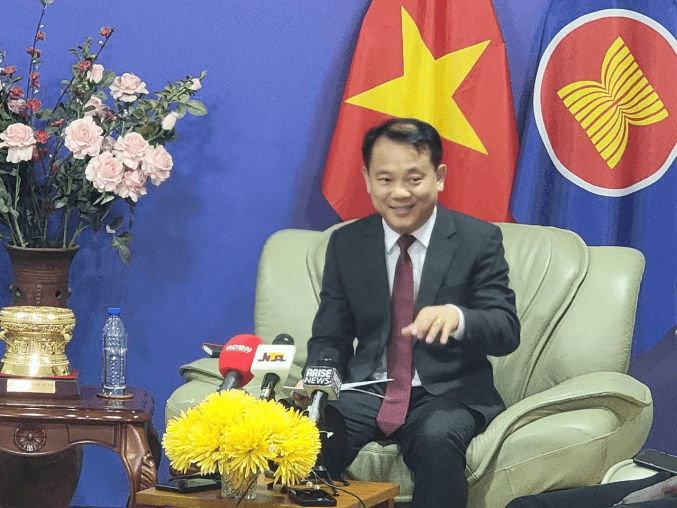
This was announced by Vietnam’s Ambassador to Nigeria, Mr. Bui Hung, during an event marking the 80th anniversary of the August Revolution.
<
p style=”text-align: left”>Ambassador Hung noted that trade between the two countries reached a record $1 billion in 2024, a significant increase from previous years. The growth was primarily due to Vietnam buying more crude oil from Nigeria.
He also said that oil trade is not sustainable and that agriculture offers a better opportunity for partnership. He identified high tariffs (about 70%) and a difference in taste preference as major barriers to Vietnamese rice entering the Nigerian market. Vietnam is now proposing to share its rice farming technology and seeds with Nigerian farmers to boost local production.
Also, beyond agriculture, Vietnam is open to expanding cooperation in other areas. The ambassador highlighted ongoing military exchange programs, with some Nigerian officers already receiving training in Vietnam.
The ambassador also mentioned that Nigerian students are studying maritime, agribusiness, and IT in Vietnam, and the country is open to hosting more students and workers for skills training, especially in the field of artificial intelligence.
Following his subsequent statement, Mr. Hung revealed that a proposal for a Free Trade Agreement has been pending for over a year and urged Nigeria to respond. He believes such an agreement would lower tariffs and improve trade flow.
This news highlights a proactive step by Vietnam to strengthen its relationship with Nigeria. By shifting the focus from volatile commodities like crude oil to more sustainable areas like agriculture and technology, the two nations can build a more resilient and mutually beneficial partnership.
The proposed collaboration on rice farming is a particularly important development that could help address Nigeria’s ongoing food security challenges.